Mewat is more than a region, it is a living identity carried by generations of Muslim Mewatis through language, faith, culture and family memory. For many Mewatis in Pakistan, Mewat is not only a place on the map, it is a story that lives in homes, gatherings, weddings, villages, cities and the hearts of elders who still speak about their roots with pride.
Historically, Mewat was known as the homeland of the Meo Muslim community. It was connected with areas around present day Haryana, Rajasthan and nearby regions of North India. But after Partition in 1947, many Muslim Mewati families migrated to Pakistan and rebuilt their lives with courage, patience and unity. They brought with them not only their belongings, but also their traditions, their Mewati language, their Islamic values and their deep sense of brotherhood.
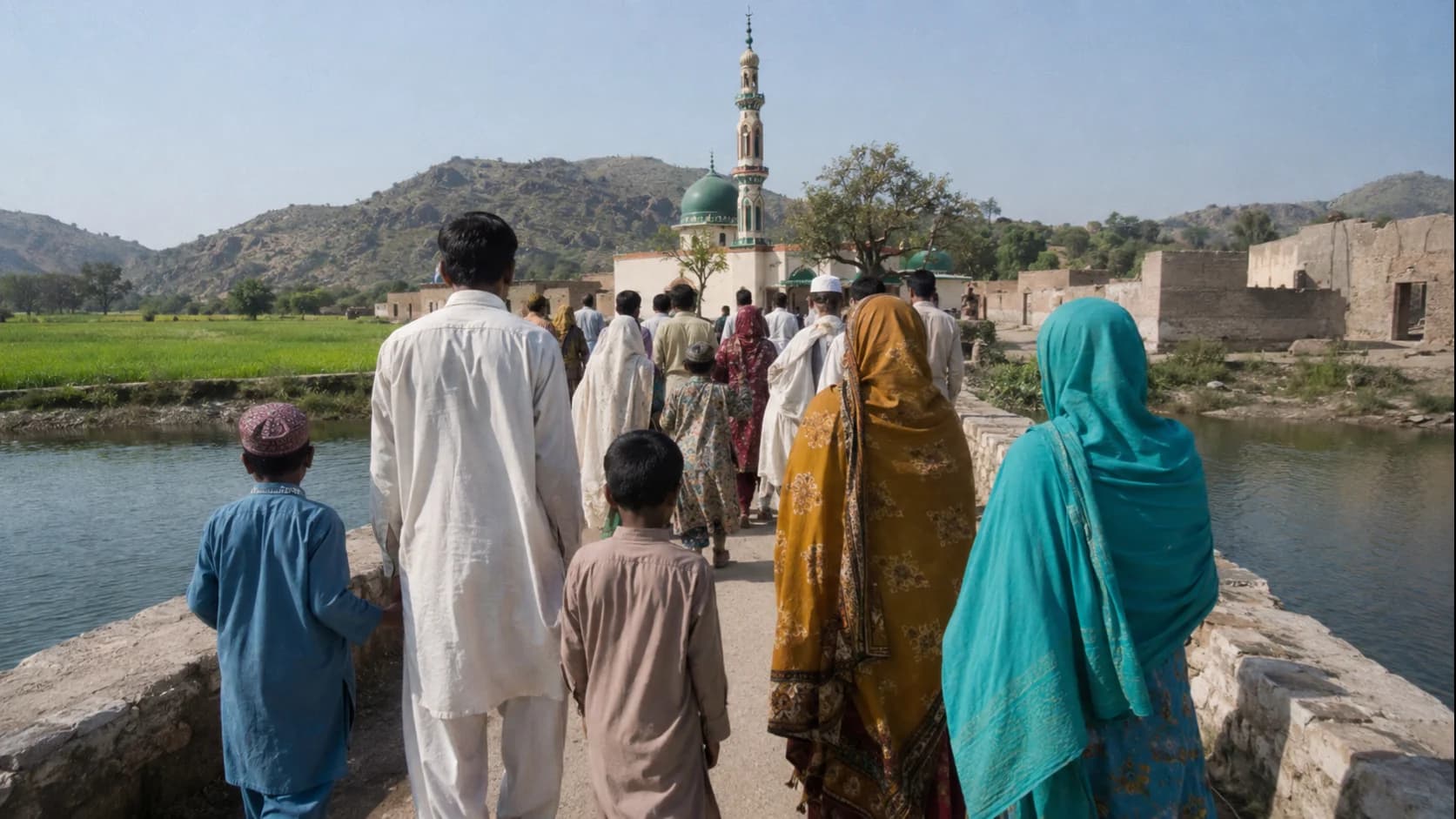
In Pakistan, Mewatis settled in different areas, especially in Punjab and Sindh. Over time, they became farmers, traders, teachers, professionals, religious scholars, social workers, business owners and community leaders. Like many migrant Muslim communities, Mewatis contributed silently but strongly to the social and economic life of Pakistan. Their story is a story of survival, dignity and belonging.
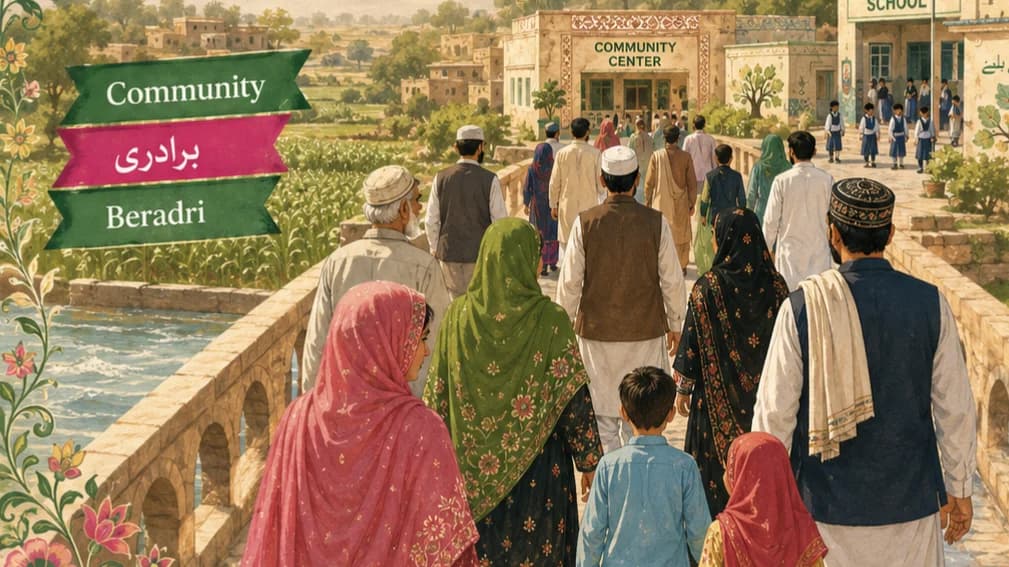
Mewat is also remembered for its strong rural values. Respect for elders, love for family, loyalty to biradari, hospitality toward guests and attachment to faith are important parts of Mewati life. A Mewati home is often known for warmth, simple food, open hearted conversation and a strong connection with relatives. Even when families move to cities, these values continue to shape their identity.
For Pakistani Mewatis, Islam is central to their way of life. Their traditions are deeply connected with Muslim values, modesty, community care, charity, respect and brotherhood. Many Mewati families take pride in raising children with both religious education and modern education, so the next generation can remain connected to their roots while moving forward in today’s world.
The Mewati language is one of the strongest symbols of this identity. It carries emotions, humor, poetry, family sayings and village memories. When elders speak Mewati, they are not just speaking words, they are passing history to the next generation. Preserving this language is essential because it keeps the community connected to its original voice.
Today, Mewat lives strongly in Pakistan through its people. It lives in family names, community gatherings, oral stories, Islamic values, marriage customs, local traditions and the pride of being Mewati. The new generation has an important responsibility, to understand where they come from, to respect the sacrifices of their elders and to carry this identity forward with confidence.
Mewat is not only our past, it is our living heritage. For Pakistani Muslim Mewatis, it is a name of pride, unity, faith and future.